

Black Self Defense and the Responsibilities of Freedom
An editorial on equal citizenship and responsible firearm ownership

Equal citizenship should include equal access to lawful self-defense. That principle matters most when a country has spent generations deciding whose safety deserves protection and whose independence deserves suspicion. Black Americans’ experience makes that contradiction impossible to ignore. A serious culture of firearm ownership must answer it with historical honesty and a demanding standard of care.
Freedom becomes tangible in ordinary places: a front door, a neighborhood sidewalk, the trip home after work. The ability to live without intimidation belongs there, alongside the right to speak and the right to vote. Lawful self-defense can be part of protecting that everyday freedom. It deserves neither automatic suspicion nor romantic exaggeration.
Freedom on paper and in practice
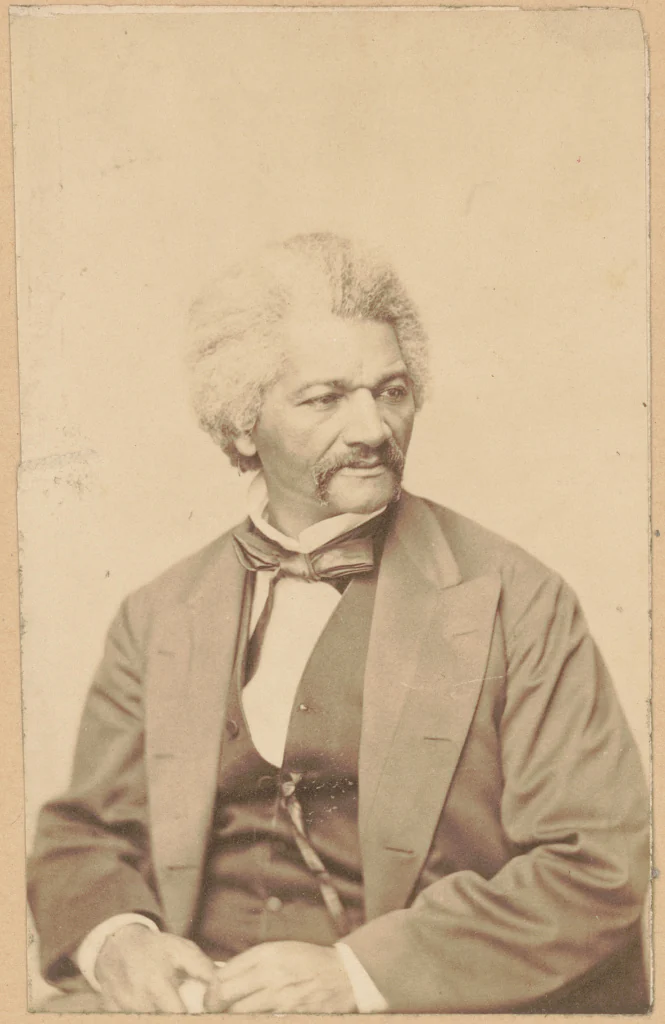
David Kopel and Joseph Greenlee’s essay in The Hill recalls Frederick Douglass’s demand, after the Civil War, for federal action against restrictions on the right to arms. It also describes freedpeople denied firearms while remaining exposed to assault. Emancipation had changed their legal status; it had not reliably secured their safety. [1]
That history reveals how disarmament could serve racial domination. A person might be free on paper yet vulnerable to those determined to restore the old order through violence. Recognizing this does not require believing that every firearm restriction has the same origin. It requires admitting that the language of order has sometimes concealed a deeply unequal distribution of protection.
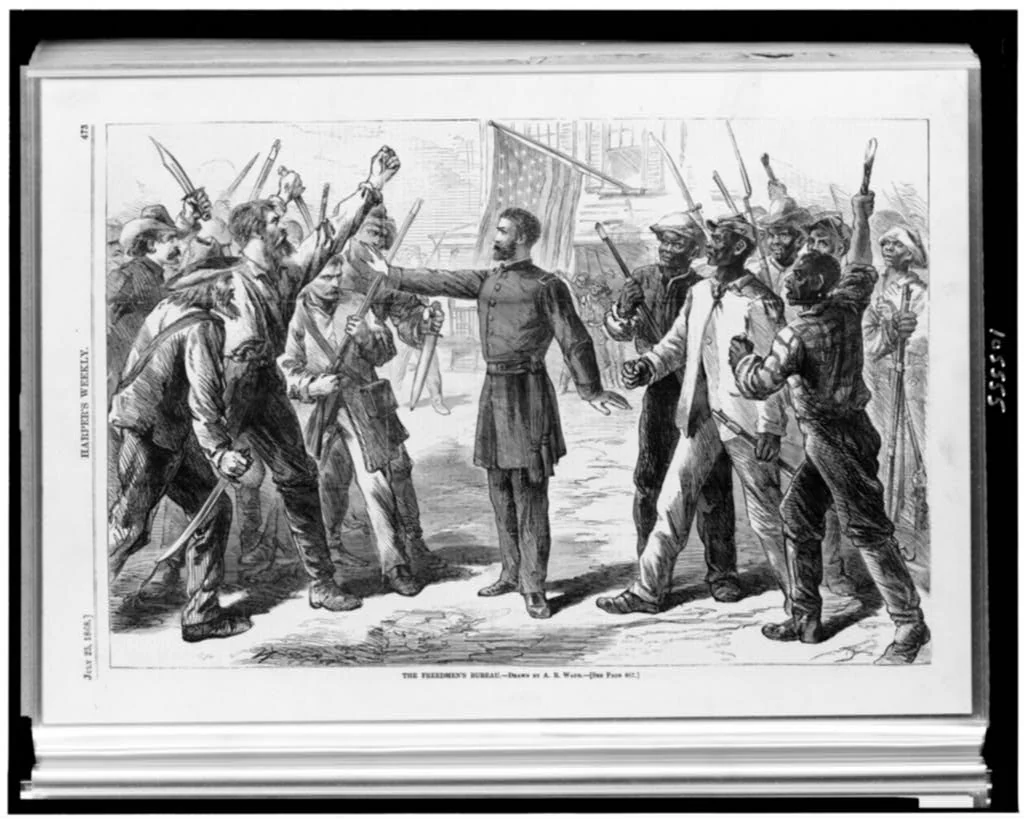
Maria Mortenson’s analysis in the Harvard Journal on Legislation traces explicitly racial firearms restrictions from colonial Virginia through postwar Black Codes. She also distinguishes those restrictions from measures addressing practical hazards, such as gunpowder storage. That distinction matters. A credible account of American gun law must examine both discriminatory control and legitimate safety concerns. [2]
A right exercised in public
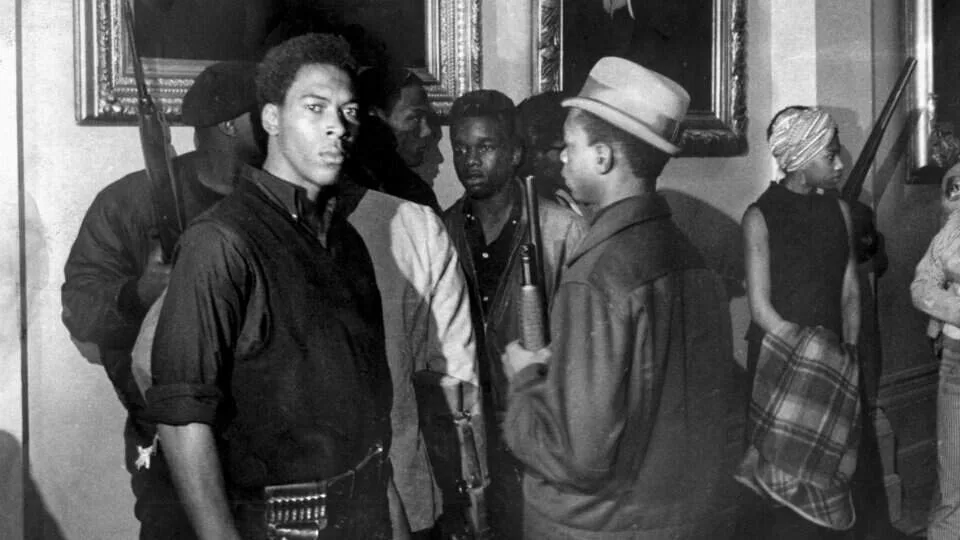
The Black Panthers brought the question into public view in California. Mortenson describes their armed patrols and Huey Newton’s attention to the law. In 1967, Governor Ronald Reagan signed the Mulford Act, restricting the public carrying of loaded firearms, after the Panthers’ armed appearance at the state Capitol. The episode exposes how the exercise of a right by Black citizens could become the occasion for restricting it. [2]
Thom Hartmann’s Salon commentary revisits that episode and argues that California’s subsequent gun restrictions saved lives. His conclusion deserves accurate representation. Historical evidence of racism does not, by itself, settle the effectiveness of every later safety measure. Yet even an argument for regulation must confront the racial politics that helped shape this particular turning point. [3]
NPR’s 2020 report presents Black Americans’ differing views on owning firearms for protection. [4] That disagreement deserves room in any serious conversation about freedom. A choice made under the pressure of uncertainty remains a personal choice, with obligations that cannot be delegated to a movement or a brand. The goal should be to give people the knowledge to decide responsibly, and to respect their decision.
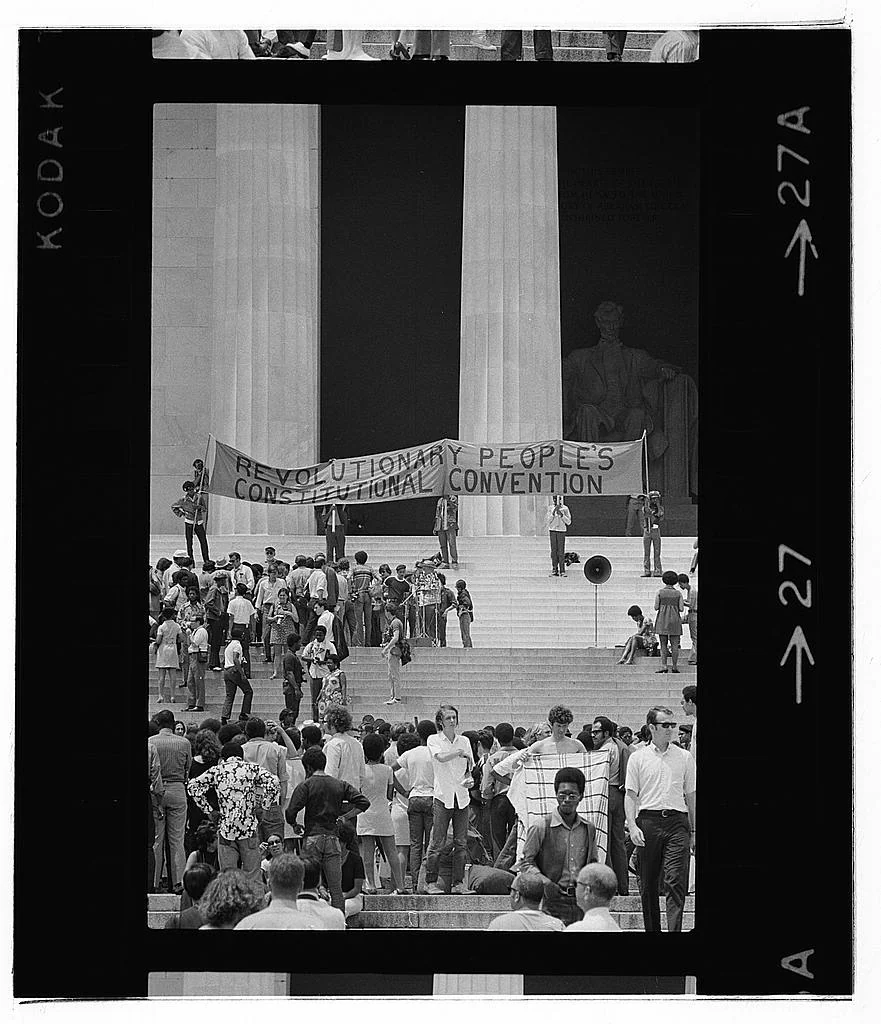
The question for the present is whether America can protect public safety while treating Black firearm owners as full citizens. An honest answer must take both obligations seriously. Equal rights cannot depend on who makes an observer comfortable. Responsible ownership cannot depend on whether a regulation happens to be popular with one political camp.
The responsibilities of ownership
For Black Carry Standard, the word standard should carry real weight. It should describe the conduct expected of any person who chooses to own a firearm: competent handling, lawful possession, secure storage, and the judgment to avoid an encounter that could become deadly. The purchase is only the beginning of that responsibility.
Safety belongs in the household budget before another accessory does. Qualified instruction and continued practice deserve resources. So does locked storage that prevents unauthorized access, especially by children. A firearm kept for protection should never become an unattended hazard. Protecting a home includes protecting the people inside it from the owner’s carelessness.

Legal literacy deserves the same attention as physical competence. Before purchasing, transporting, or carrying a firearm, an owner should verify the current requirements that apply in the relevant jurisdiction, including eligibility, permits, storage, and restrictions on locations. Questions about the lawful use of force deserve guidance from a qualified local attorney. A slogan cannot answer them.
The most consequential discipline is often restraint. An insult can be left unanswered. An argument can be abandoned. A dangerous situation can be avoided. Responsible ownership asks a person to relinquish the satisfaction of being right when that satisfaction threatens someone’s life. Sobriety and emotional self-control belong in that standard as surely as competent handling does.
Tastefulness has a place here, provided the word means respect for the gravity of the object. Thoughtful equipment choices, discretion consistent with the law, and an absence of intimidation can express that respect. A firearm should never become a prop for settling grievances or manufacturing attention. Its seriousness should shape the owner’s behavior.
None of this makes dignity conditional on appearance. Black citizens should not have to dress a particular way, buy expensive equipment, or perform exceptional respectability to deserve equal treatment. A standard of responsible conduct applies to everyone. Racial suspicion remains the responsibility of the person or institution imposing it.
The freedom to come home
Firearms cannot guarantee freedom. Durable freedom also depends on fair courts, accountable institutions, and communities able to resolve conflict without violence. Lawful self-defense can have a place within that larger civic life. It should serve the possibility of living peacefully, with the understanding that possession alone confers neither wisdom nor security.
Black Carry Standard can help make that possibility visible: informed ownership without spectacle, competence without intimidation, and a respect for life that reaches beyond one’s own front door. The freedom worth protecting is the freedom to carry on with an ordinary life, to raise a family, build a business, disagree openly, and come home. Every exercise of a right should remain answerable to that purpose.
Sources
- David Kopel and Joseph Greenlee. The racist origin of gun control laws. The Hill, August 22, 2017.
- Maria Mortenson. Scattershot: Guns, Gun Control, and American Politics. Harvard Journal on Legislation, May 23, 2022.
- Thom Hartmann. Ronald Reagan’s moment of massive historical irony: How armed Black men led to gun control. Salon, June 8, 2022.
- Christianna Silva. NPR, September 27, 2020.